
The report states that after the devastating end of World War II, the world stood on the threshold of a new order that was supposed to be based on peace, democracy and the sovereignty of nations. But what history has witnessed in the decades since 1945 is not the implementation of global ideals, but the formation of an expansionist and interventionist foreign policy led by the United States. The terrifying claim, documented by statistics, is that the post-war policies of this power have been responsible for the deaths of between 20 and 30 million people in 37 countries.
After the devastating end of World War II, the world stood on the threshold of a new order that was supposed to be based on peace, democracy, and the sovereignty of nations. But what history has witnessed in the decades since 1945 is not the implementation of global ideals, but the emergence of an expansionist and interventionist foreign policy led by the United States. The terrifying claim, documented by statistics, is that the post-war policies of this power have been responsible for the deaths of between 20 and 30 million people in 37 countries.
This figure, which accounts for as much as a third of the total casualties of World War II, clearly shows that the doctrine of “protecting democracy” has often been a cover for geopolitical and economic interests. From direct coups to support for puppet regimes and arms sales to warring parties, the footprints of these policies can be seen in every part of the world that has not achieved stability.
Our country, Iran, has been no exception to this rule. A long history of intervention, from the 1953 coup to its influence on regional conflicts, has imposed heavy costs on our nation. The death toll from these interventions, estimated in previous notes at over 260,000 martyrs, is not just a number; it is the story of millions of families whose stability and security have been sacrificed to strategic calculations far beyond the country’s borders.
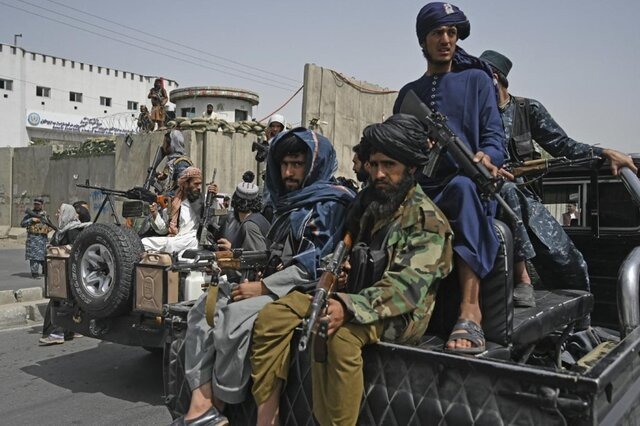
A foreign policy based on military intervention and support for organized terrorism (in some cases trained by these same powers) requires a decisive response from the international community and historical clarification. The era of “impunity” for the powers that commit such massacres must end.
The issue is not merely historical; these policies sowed the seeds of today’s instability in the region. Until justice is served for the victims and the policy of interventionism is fundamentally reformed, lasting peace in the world will remain an empty slogan. It is time for history to pass its final judgment on this bitter legacy.