Eighth anniversary of the destruction of terrorism in Iraq
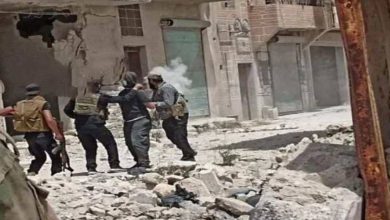
Association for Defending Victims of Terrorism - December 10, 2017, the Iraqi army and Popular Mobilization Forces succeeded in ending the presence of ISIS Takfiri terrorists on their country's soil after a difficult and exhausting operation.

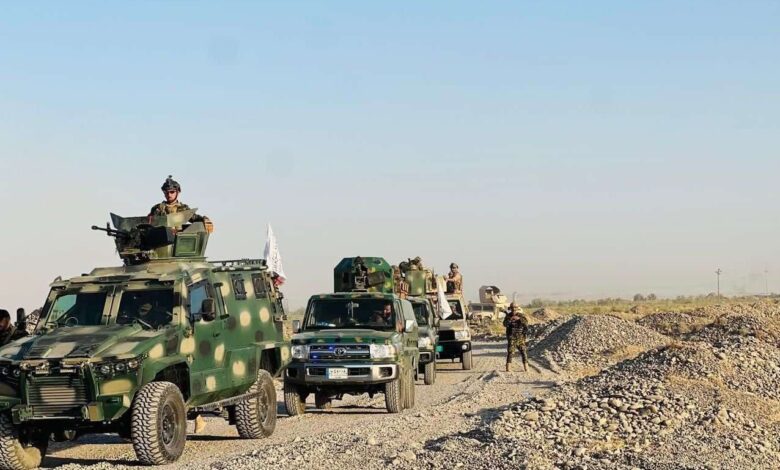
According to Tasnim News Agency, today, Wednesday, December 10, 2025. Eight years ago, on this day, a great victory over terrorism and the liberation of all lands occupied by ISIS terrorist gangs was recorded for the Iraqi people. This victory was achieved thanks to the sacrifices and dedication of the Popular Mobilization Forces or Hashd al-Shaabi and other Iraqi armed forces following the historic fatwa of the Supreme Religious Authority of Iraq.
In 2014, the ISIS terrorist group was able to take control of the areas adjacent to the Iraqi borders by occupying and consolidating its positions in the Syrian province of Raqqa and large parts of the Deir ez-Zor province. In the spring of 2014, this terrorist group, in a coordinated operation with some Iraqi groups and figures, suddenly attacked a number of Iraqi provinces and succeeded in capturing Mosul, the capital of Nineveh province. They also continued to occupy the provinces of Salah al-Din, Diyala, and Anbar, and things got to the point where they reached the borders of Baghdad.


Although the ISIS terrorist group established a large center for itself in Iraq with the June 2014 attack, the group had carried out numerous terrorist activities in Iraq before that. For example, in the second half of 2013, ISIS blew up and destroyed nearly 1,400 houses in Iraq, killing 1,996 people and injuring 3,021 during these attacks.
It is difficult to accurately estimate the financial resources that the ISIS terrorist group has acquired during this period. Most of ISIS’s financial resources were provided by Saudi Arabia, Qatar, and the wealthy Salafi and Takfiri people of the Persian Gulf. In addition, ISIS had also managed to create extensive financial resources for itself by controlling oil resources and selling oil to countries such as Turkey.
Kidnapping and extorting compensation from their relatives, imposing heavy taxes under the pretext of Sharia, and looting the Mosul Bank during the occupation of the city are among the most important sources of funding for ISIS terrorists, which at its peak was the richest terrorist group in the world. The amount confiscated from the Mosul Bank robbery was estimated at $1.5 billion.
On August 15, 2014, the United Nations Security Council designated ISIS as a terrorist group and called for its disbandment. It was after this incident that the United States, along with a number of other world powers and some regional countries, formed a coalition under the pretext of confronting ISIS. Under this pretext, the United States expanded its military attacks on the territory of Iraq and Syria, attacks that targeted most of the infrastructure and civilian resources of these countries, and not only did it not make a serious effort to eradicate ISIS in these countries, but in fact it was acting to keep this terrorist group in line with its sinister goals in the region.
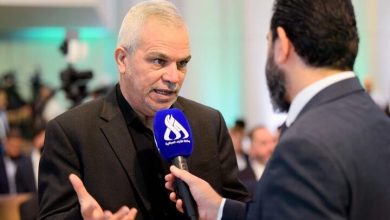
Major General Saad Maan, head of the Iraqi Security Information Center, says: The experience of fighting ISIS terrorist gangs formed an important turning point in Iraq’s history and helped strengthen the unity of the social fabric and consolidate national identity among different segments of the population.
He added: “The confrontation with ISIS was a difficult and difficult test that showed the strength and resilience of Iraqi society, and Iraqis at that stage showed their strength for unity when their homeland was exposed to a danger that threatened its existence.”
According to him, the post-liberation efforts, from returning refugees, rebuilding cities, and restoring social relations, once again emphasized that Iraq’s unity is its main source of strength.
The head of the Iraqi Security Information Center believes that the fatwa of Jihad al-Kifai by Ayatollah Sistani, the highest religious authority in Najaf, was a historical turning point that restored the balance on the battlefield and changed the course of the battle from defense to attack. According to him, the fatwa of Jihad al-Kifai, by inciting a spirit of responsibility, led to the volunteering of tens of thousands of people and support for the security forces, and the formation of a state of widespread national mobilization, which led to the liberation of occupied cities one after another.