Deep racism at the heart of Australian universities
Association for Defending Victims of Terrorism - A new national report in Australia has painted a disturbing picture of the state of racial discrimination in universities, showing that racism in these educational institutions is not an isolated phenomenon, but rather "systemic" and deep-rooted.

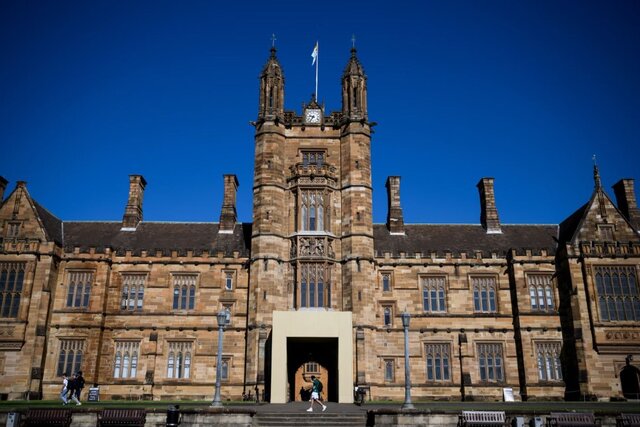
According to ISNA , citing the Guardian, the study, which involved tens of thousands of students and academic staff, reports widespread experiences of verbal harassment, sarcasm, discrimination, and even physical attacks in educational environments and university campuses.

According to the report, 70 percent of respondents said they had experienced some form of indirect racism, such as hearing insults or witnessing discriminatory behavior against their community. Another 15 percent said they had been directly targeted by racism.
The highest rates of discrimination were experienced by Palestinian students, with over 90 percent reporting experiencing some form of racism, followed by indigenous, Chinese, Middle Eastern and Northeast Asian students.
The report documented numerous instances of abusive behavior, including mocking Palestinian students with cries of “terrorism” and comparing indigenous students to “petrol sniffers” in classrooms. Some students also reported being watched or followed by university security forces. In some cases, even physical attacks were reported.
One of the key findings of the report is the ineffectiveness of complaints mechanisms at universities. Many respondents said they did not file a formal complaint due to distrust in the systems or fear of possible repercussions. Ultimately, only 6% of those who had experienced direct racism complained to their university.
The study also shows that waves of racism are often exacerbated by global events. For example, anti-Asian sentiment has increased during the COVID-19 pandemic, and Islamophobia and anti-Palestinian racism have grown at an unprecedented rate during the Gaza war. Some Palestinian students have said they have been forced to provide death certificates for family members in Gaza in order to receive a study permit, while others have refrained from expressing their views for fear of deportation.
In response to the report, government officials have promised to consider its recommendations as part of higher education reform. The report makes 47 recommendations, including the creation of a national framework for tackling racism in higher education, the formation of a joint working group, and regular reporting on complaints.
However, statistics show that only a small number of universities have independent, advanced strategies for tackling racism, and regular reporting on this is rare. Student representatives have also stressed that voluntary policies and internal reviews have so far failed to make tangible change, and that the government must take binding action to enforce the same standards across all universities.
The report not only describes the state of racism in universities, but also implicitly criticizes the Australian government’s performance. Some politicians, including Senator Mehreen Farooqi, accused the government of focusing on one type of racism and ignoring other forms of discrimination, effectively adopting a selective approach.
The timing of the report’s release has also been criticised. The government received the report in December but did not release it publicly until weeks later. The delay, critics say, is a sign of the government’s reluctance to confront the wider issue of racism in universities.
Furthermore, the low number of complaints filed, only 6% of victims of direct racism, also indicates that public trust in the formal mechanisms that the government is ultimately responsible for overseeing is very low, an issue that the report describes as a sign of structural and supervisory weaknesses at the national level.