فارسی   English   عربي    
NewsTop News

Head of the Judiciary Research Institute: Judicial support for victims of terrorism is a legal and human necessity

Association for Defending Victims of Terrorism  - Head of the Judiciary Research Institute, emphasizing the need to pay serious attention to the rights of victims and their families, considered strengthening legal and judicial mechanisms to protect these individuals as an important requirement of the criminal justice system, and emphasized the need to close the gaps in international documents and domestic laws.


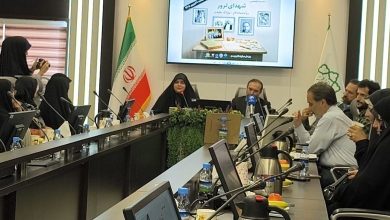
In the specialized session on “Judicial Protection of Victims of Terrorism,” Seyyed Ali Kazemi, referring to the importance of the issue of victims of terrorism, stated: “Ignoring the issue of victims of terrorism in practice means ignoring the consequences of this phenomenon and even being considered a kind of indirect support for terrorism.” Despite this, the issue of protecting victims of terrorism has not yet been given due attention in many international documents and standards, as well as in some domestic legal systems.

Reviewing international documents in this area, he said: “International documents related to the protection of victims of terrorism are divided into two categories: documents related to the protection of victims and other documents related to human rights. The first documents related to victims of crime were approved in 1985, but these documents did not mention victims of terrorism, and the connection between terrorism and violations of the human rights of victims was not seriously considered until the Vienna Human Rights Conference in 1993.”

According to the head of the Judiciary Research Institute, one of the important documents in this regard is the “Global Counter-Terrorism Strategy” approved in 2006, which was updated in 2012. This document emphasizes strengthening international solidarity to support victims of terrorism, promote their rights, and help rebuild the lives of victims and their families, but its non-binding nature and the voluntary nature of the implementation of commitments by governments are considered to be the most important weaknesses of this document.

Kazemi also referred to some regional initiatives, saying: “The 2005 European Union Convention on the Prevention of Terrorism, which is a binding document, addresses the protection of victims of terrorism, including compensation and legal protection. In addition, the European Union directives on the rights of victims of crime, especially the 2012 directive, have expanded the scope of protection and even brought indirect and potential victims under the protection umbrella, making this protection an obligation for governments.”

He considered the “Madrid Memorandum” approved in 2012 to be one of the reference documents in this field, adding: “This document presents a set of appropriate procedures for supporting victims of terrorism in the criminal process in 17 paragraphs, and later became a memorandum of understanding in 2014.”


In another part of his speech, the head of the Judiciary Research Institute referred to Iran’s situation in the face of terrorist acts and said: “Over the past decades, our country has faced all kinds of terrorist acts, from blind attacks against citizens to targeted assassinations against officials, scientists, and commanders.”

According to him, according to some statistics, about 24,000 people in Iran have been directly assassinated, of which about 17,000 were martyred by the terrorist organization, the People’s Mojahedin-e Khalq. Also, in recent years, a number of the country’s nuclear scientists have been targeted in terrorist operations, and an examination of these incidents indicates the existence of a targeted and systematic pattern in these actions.


The need for explicit criminalization of terrorist acts

Kazemi stated: The Law on Combating the Financing of Terrorism was passed in 2015 and amended in 2018. This law criminalizes the financing of terrorism and also mentions some examples of terrorist acts, but the “terrorist act” itself is not independently criminalized.

He added: “In this regard, a bill to combat terrorism has been drafted in the judiciary, which includes 72 articles and 28 notes, and in Article 2, terrorist acts are explicitly criminalized, and it is hoped that this bill will be approved by the Islamic Consultative Assembly in the near future.”


Strengthening preventive and judicial mechanisms

Referring to some of the existing mechanisms in the country’s judicial system, the head of the Judiciary Research Institute said: “Currently, the General and Revolutionary Prosecutors’ Offices have the authority to handle cases related to terrorism, and there are no legal obstacles to handling the domestic and international aspects of these crimes in the country.”

He also referred to the “Targeted Financial Action Regulation against Terrorism” approved in 1404 and added: “Based on this regulation, by forming a working group consisting of relevant institutions and by order of the judicial authority, it has been possible to preventively freeze the assets of individuals associated with terrorist financing throughout the country.”


Supporting victims in the legal process

Referring to the need to support victims at various stages of the proceedings, he stated: “The possibility of participating in the investigation process, access to case information, and access to a lawyer are among the important standards in this area.”

According to him, the country’s laws allow for filing complaints through electronic judicial services, law enforcement authorities, and in cases where plaintiffs do not have the financial means, litigation costs are covered by the judiciary’s funds.


The vacuum in the fund to support victims of terrorism

Referring to compensation mechanisms, the head of the Judiciary Research Institute said: “There are various protective laws in the country, including laws related to veterans, the law on the protection of children and adolescents, the law on the protection of orphaned children, and the law on the protection of orphaned women and children, whose capacity can be used to support some victims.”

However, he considered the lack of an independent fund to support victims of terrorism as one of the existing gaps and said: “Provisioning such a fund in the counter-terrorism bill could enable faster and more effective payment of financial support to victims.”


The need to strengthen international cooperation

In conclusion, Kazemi referred to the challenges of international cooperation in terrorist cases and said: “Identifying evidence, tracing assets, recovering and returning assets, and extraditing criminals in many cases require cooperation between governments, but in some cases, this cooperation is not carried out, especially by some countries that claim to fight terrorism.”

He also emphasized the need to update laws related to evidence of crimes in light of technological developments, especially in the field of cybercrime and cryptocurrencies, and considered it an important step in improving the efficiency of the judicial system in combating terrorism and providing effective protection to victims.

Show More

Related Articles

Leave a Reply

Your email address will not be published. Required fields are marked *

Back to top button