In this note , we read that the 8th of Shahrivar is a reminder of one of the most bitter and at the same time most instructive disasters in the contemporary history of Iran. The explosion of the Prime Minister’s Office in 1988 by a group of the Hypocrites and the unjust martyrdom of the then President, Martyr Mohammad Ali Rajai, and the Prime Minister, Martyr Mohammad Javad Bahonar, is a living and vivid document of the injustice of a nation that has been the target of hatred and organized violence since the very first days of the victory of the Islamic Revolution. Naming this day in the official calendar of the country as “Anti-Terrorism Day” is a national and international opportunity to explore one of the most contradictory concepts in the field of contemporary politics.


The Islamic Republic of Iran has a unique and paradoxical position in the equation of international terrorism; a position that can be referred to as “double victimization.” On the one hand, enduring heavy human and material losses in the field of action, and on the other, confronting the media and political system of global arrogance that has distorted reality and reversed the roles of servant and traitor.
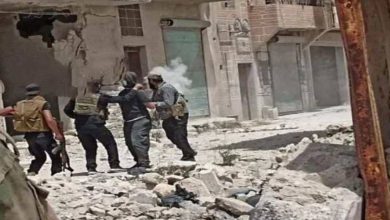
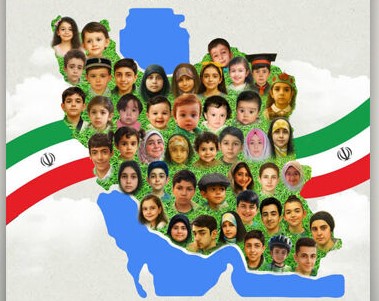
In the first dimension and in the field of action, Iran is considered one of the largest and most documented victims of terrorism in the world. According to the latest statistics and documents available, Iranian society has sacrificed more than 23,000 martyrs of terror for its security and integrity. The scope of this organized violence, from the assassination of high-ranking officials in the 1960s and the martyrdom of nuclear scientists to its more recent examples during the recent invasions and aggressions of the enemies—especially the martyrdom of Ayatollah Seyyed Ali Khamenei, the Supreme Leader of the Islamic Revolution, and a group of his family members, as well as the martyrdom of senior military commanders and defenders of security during the 12-day war and the 40-day war of the United States and the Zionist regime against Iran—testifies to the continuation of this state terrorism. In addition to the assassination of officials and commanders, the blind attacks on ordinary people, women and children in Shahcheragh and the Martyrs’ Cemetery in Kerman, the sheltering of the perpetrators of these crimes by Westerners, and the application of economic terrorism in the form of cruel sanctions are other dimensions of this endless victimization.
But the other side of this coin is Iran’s victimization in the international arena and the war of narratives. Where the US-led hegemony system distorts the truth by applying double standards and politicizing the concepts of human rights. While the Islamic Republic of Iran has been the main and most effective force in suppressing Takfiri terrorist groups such as ISIS and has sacrificed the most transnational commanders in the fight against terrorism such as martyr Hajj Qassem Soleimani in this way, it is accused by Western governments of supporting terrorism.
This apparent contradiction shows that the West has subordinated the definition of terrorism to its geopolitical interests; if an incident occurs in a Western country, it immediately becomes a major and global issue, but when the victims of terror are children, Iranian commanders and citizens, or the resistance front, they are faced with silence, justification, news boycotts, or fabricated narratives.
Emphasizing the concept of “Iran, a double victim of terrorism” is a clear warning to the international community that justice and human dignity in the fight against terrorism should not be subject to geographical borders, the nationality of the victims, or political demarcations. Until international organizations abandon double standards, the human conscience will not heal from the suffering of terrorism. Celebrating the 8th of Shahrivar is a tribute to the proud martyrs who are living proof of the oppression and, at the same time, the strength of the Iranian nation against the most sinister phenomenon of the present era.