Former British Army Commander Exposes Cover-Up on War Crimes in Afghanistan
Association for Defending Victims of Terrorism - The former head of the British Special Forces has revealed that allegations of war crimes against the Special Air Service (SAS) in Afghanistan remained hidden for years and were not referred to the police.

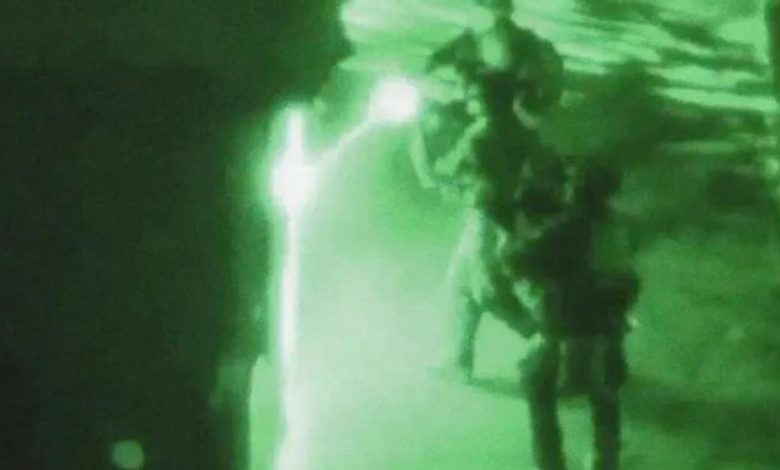
According to Shafaqna Afghanistan, the BBC reported on Friday (June 28) that the former security official had revealed this matter in an interview with the “Independent Commission of Inquiry on Afghanistan.”
The British Special Air Service unit was stationed in Afghanistan between 2009 and 2014.
The former head of the British Special Forces has said that alleged “war crimes” by the SAS unit in Afghanistan occurred between 2010 and 2013.
The officer, who was the second-highest-ranking special forces officer at the time, says the allegations were not reported at the time for two reasons.
According to him, on the one hand, there was concern that a formal investigation would disrupt operations and negatively affect troop morale, and on the other hand, some of the evidence had been obtained through a rival special forces regiment.
These same issues caused the British military police to remain unaware for years of concerns within the special forces about “extrajudicial killings” and “filing false reports” by the special forces.
According to the soldier’s testimony, despite the seriousness of the allegations, the then head of the British Special Forces decided in 2011 not to refer the matter to the Royal Military Police and instead to conduct an internal review into the tactics used by the Special Forces.
Secret documents from British military operations in Afghanistan show that in a large number of operations, people who had been previously detained and handcuffed were later killed by special forces.
The BBC, citing new documents, wrote: “In some operations, the number of deaths was higher than the number of weapons claimed to have been found on the scene. The imbalance in the number of deaths relative to the weapons recovered means that people were killed who were not considered to be an immediate threat to the lives of soldiers or others.”
According to the media outlet, “The British Special Forces headquarters had also been made aware of a complaint from a well-known international organization that was closely monitoring the Afghan war. In addition, the Afghan Special Forces had also repeatedly complained and were so outraged by what they perceived as the killing of civilians that they repeatedly refused to accompany the British Special Air Forces on operations.”
A military official, codenamed “N2252,” told the Independent Commission of Inquiry into Afghanistan that if the Royal Military Police had been made aware of these concerns in 2011, SAS operations to track down Taliban members and roadside bombers would have been disrupted.
“You would take that unit out of action, conduct an investigation, and the troops would be busy thinking about the investigation instead of planning the next operation. It would also undermine confidence within the British Special Forces,” he said.
The issue of war crimes committed by British special forces in Afghanistan and the lack of oversight of their operations is being exposed at a time when a number of other foreign forces, including Australian soldiers, have been accused of similar crimes.
The US-led NATO military operation, in which Britain was actively involved, began in 2001 and continued until 2014.
Then, with the withdrawal of NATO forces, some American forces remained until 2021 and left the country at the same time as the fall of the republican regime and the return of the Taliban to power.
Some countries, including Britain and Australia, are reviewing the performance of their forces during the war in Afghanistan, with the investigation into war crimes allegations being part of these reviews.