
According to the court ruling , the company paid millions of euros to jihadist groups, including ISIS, to keep its factory operating amid the Syrian war, a move that the judge said helped strengthen the groups’ ability to carry out terrorist attacks, including the January 2015 attacks in France.


The Lafarge case, at the intersection of international trade, geopolitics, and intelligence operations, is one of the most controversial examples of a major company compromising to protect its economic interests in a war situation. The company, later acquired by the Swiss group Holcim, continued to operate in Syria while many multinationals had left the country.
According to a ruling by the Paris Criminal Court, Lafarge paid around 5.6 million euros to three jihadist groups, including ISIS. The court stressed that the money allowed the groups to “plan terrorist attacks.”
“This method of financing terrorist organizations, in particular ISIS, played a fundamental role in the group’s control of Syria’s natural resources and allowed it to finance terrorist acts at home and abroad, particularly in Europe,” said Isabelle Provost-Deprez, the president of the court. She added that the company had “established a real commercial partnership with ISIS” and that the scale of the payments, described as “unprecedented,” demonstrated “the extraordinary gravity of the crimes.”
The court, examining emails, minutes and bank documents, identified a network of payments made to ISIS and Al-Nusra Front through Syrian intermediary Firas Tlass. These payments included the provision of raw materials for production as well as “security payments” for personnel and goods to pass through checkpoints.
While the defendants described the payments as “extortion,” the court cited internal documents that indicated “negotiations” and “agreements.”
France’s anti-terrorism prosecutor stressed that while the defendants were not inclined towards jihadist ideology, they had shown “no admission or expression of remorse.” The prosecutor called for the maximum fine for the company and heavy penalties for its directors.
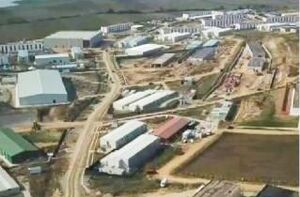
Despite these payments, Lafarge eventually evacuated the jalabiya factory in September 2014, and the facility quickly fell under ISIS control. Some of the victims of the November 13 attacks in France are also plaintiffs in the case, citing the incident as a factor in the attacks.